 SPIKED
Field test
The 6-Yard Test Is Lying to You: How to Actually Choose a Hunting Bow
The verdict
Buy your bow now — not next fall — and buy it for the backcountry, not the pro-shop bale. For hunting, durability and consistency beat counter-comfort, and that's why Hoyt is our pick.
The best time to buy a bow is the day after season ends
That’s now. Archery season just wrapped, and two things are about to happen at once: last year’s bows are going on sale, and the new models are about to drop. Whichever way you lean — deal on a proven bow or first crack at the newest one — the window is open right now.
Here’s the part nobody tells beginners: it takes most people about a year to get a bow truly dialed. Not the bow’s fault — yours. You’ll shoot great for a week, then wake up one day with a slightly different grip and start pushing arrows left. So you re-sight. Next week you’re drifting right. Re-sight again. You’re not chasing a bow problem, you’re chasing a you problem, and the only fix is reps. Buy in the fall, join a winter league, and put a cold season of arrows through it — and by next September the bow feels like part of your arm instead of a science experiment.
And while you’re putting in those reps, learn from the best free coaching there is: George Ryals (GRIV) on YouTube. Hands down the best place to start — form, grip, aiming, the mental game, all of it, taught by one of the most respected coaches in archery. A winter of leagues plus George’s videos will put you years ahead of the guy who just bought a nicer bow.
Buy your bow eleven months before you need it, not eleven days.
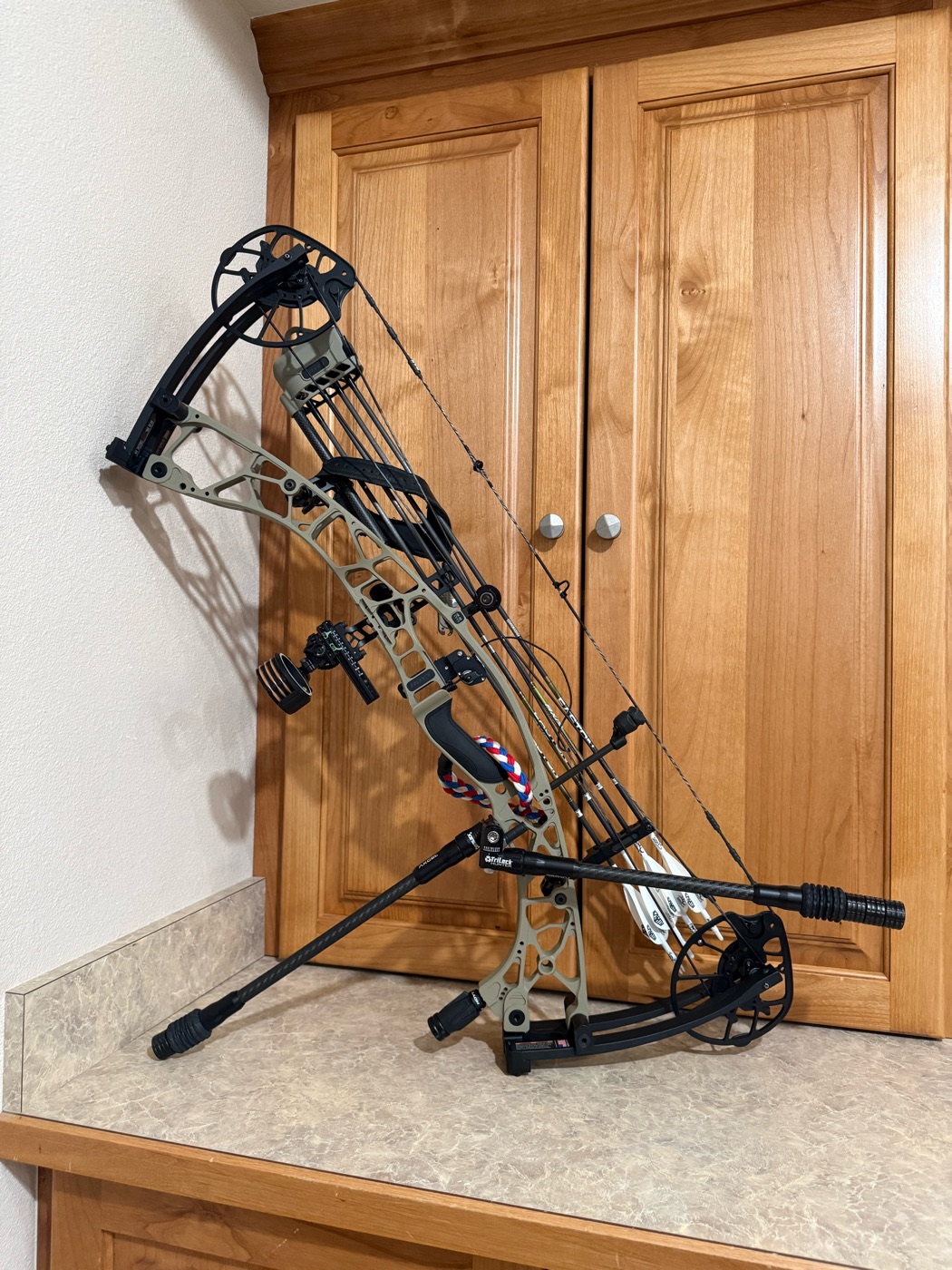 The one that shows up every day: our Hoyt, rigged and dialed. Set up by a real shop tech — more on that below.
The 6-Yard Test
Walk into any bow shop and here’s how you’ll choose the most important piece of hunting gear you own: you’ll draw a few bows and shoot each one two or three times, into a bale, from about six yards. No real aiming. No broadheads, no field positions, no weather, no miles. Just: how does it feel?
Call it the 6-Yard Test, because that’s exactly what it measures — six yards of feel.
And there’s a bow that wins the 6-Yard Test hands down: Mathews. It’s the best-selling hunting bow in America for a reason. It feels wonderful at the counter — comfortable, light in the hand, quiet. If bows were bought the way they’re used, that might settle it.
But you’re not buying six yards of feel. You’re buying years of falls, rock, weather, truck beds, pack straps, and one moment each season where everything has to work. The 6-Yard Test measures none of that. It’s not that the comfortable bow is a bad bow — it’s that the test can’t see the thing a hunter needs most.
What the test can’t measure: durability
Spend enough time around serious bowhunters and you start hearing a pattern: guys whose bows live an easy life do fine with anything. Guys who put gear through the wringer — backcountry miles, horse wrecks, scree fields, real falls — quietly end up in one of two camps: they own a Hoyt, or they own two bows, because something small is always breaking, loosening, or drifting out of alignment on the backup-required bow.
That’s the whole thesis: a hunting bow’s first job is to show up. Accurate, consistent, and structurally boring, every single day, no matter what happened to it on the way in. Hoyts are famously overbuilt — these are bows that have survived being run over and gone right back to shooting. Speed-focused bows can post sexier chronograph numbers, but some of them trade away exactly the ruggedness a backcountry hunter can’t give up. A fast bow that needs babying is a target bow with camo on it.
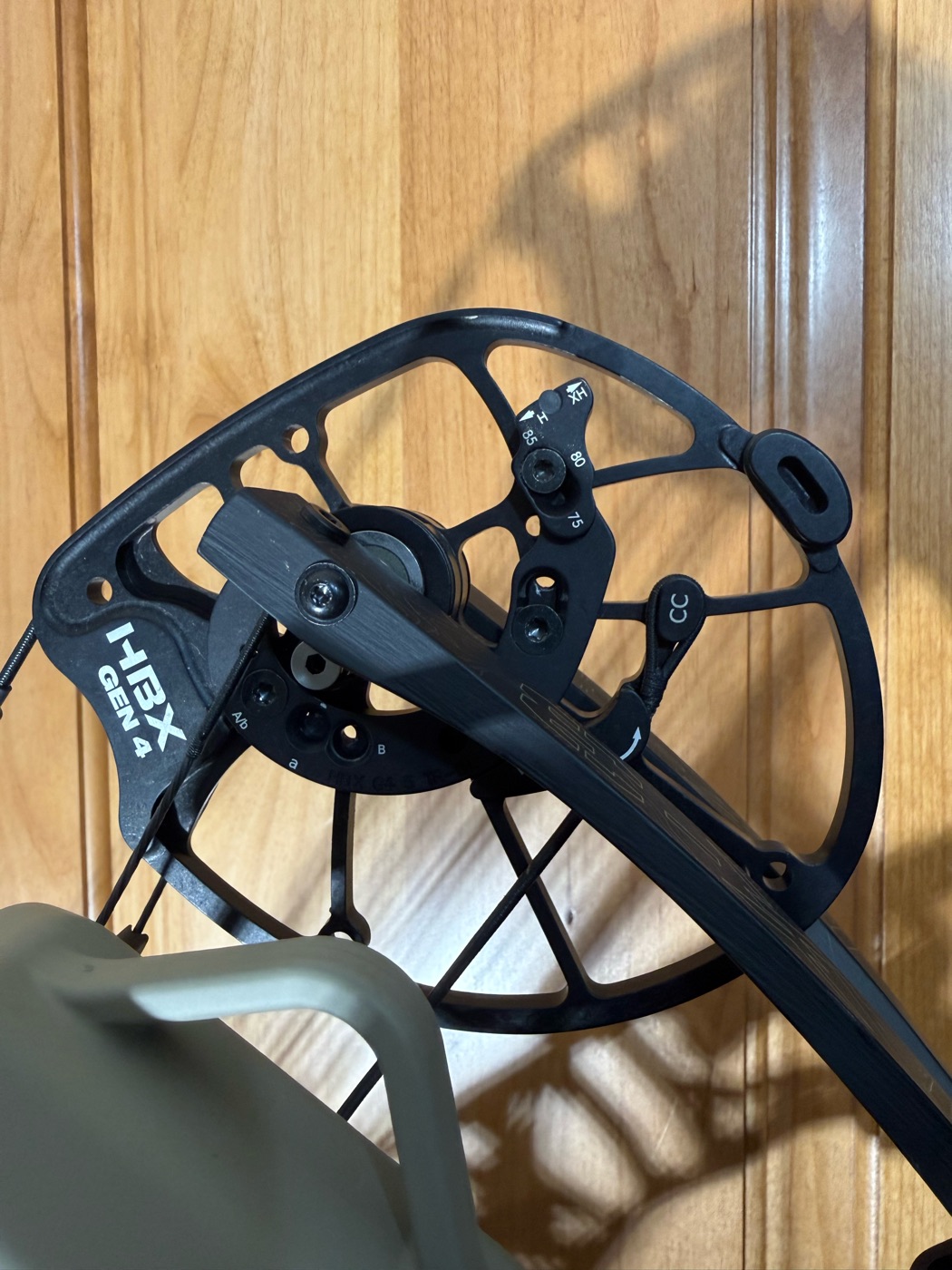 The hardware that has to survive the trip: overbuilt cams, no drama.
The podcast tell
Here’s a research method anyone can copy: listen to a few hundred hours of hunting podcasts. Not the ad reads — the loose moments, when the best shooters and most-traveled hunters in the world are just talking with their buddies and forget they’re being recorded. Watch what they actually choose when nobody’s paying them to say it.
The longer you listen, the more one name keeps surfacing: Hoyt. It doesn’t win the marketing war and it doesn’t always win the 6-Yard Test. It wins the ownership test — the one that takes years and can’t be faked at a counter.
The money math
The price gap between an aluminum Hoyt and a comparable aluminum bow from most other brands is a couple hundred dollars. That’s real money — and it’s also the cheapest insurance in your whole kit. Two hundred bucks spread over a decade of seasons buys you the bow that never becomes the reason you’re walking out early. In the backcountry, where gear gets pushed to its limits, that’s a non-negotiable trade for us. Most bows shoot close to the same off a bale. They do not live the same life after year three.
If budget is genuinely the wall, buy last year’s model in the sale window we’re in right now — that’s the move, not stepping down in durability.
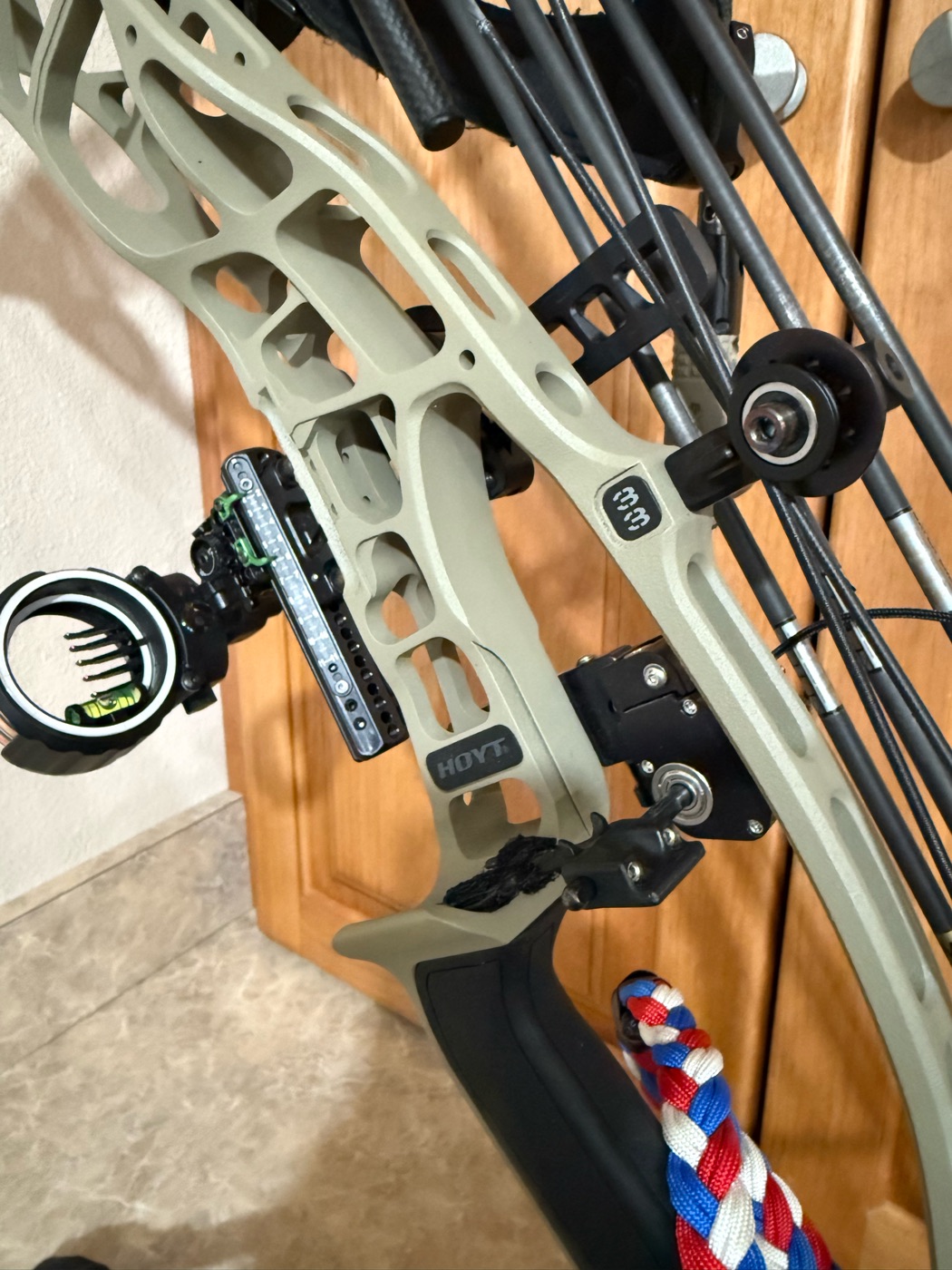 Machined like it expects to be dropped — because someday it will be.
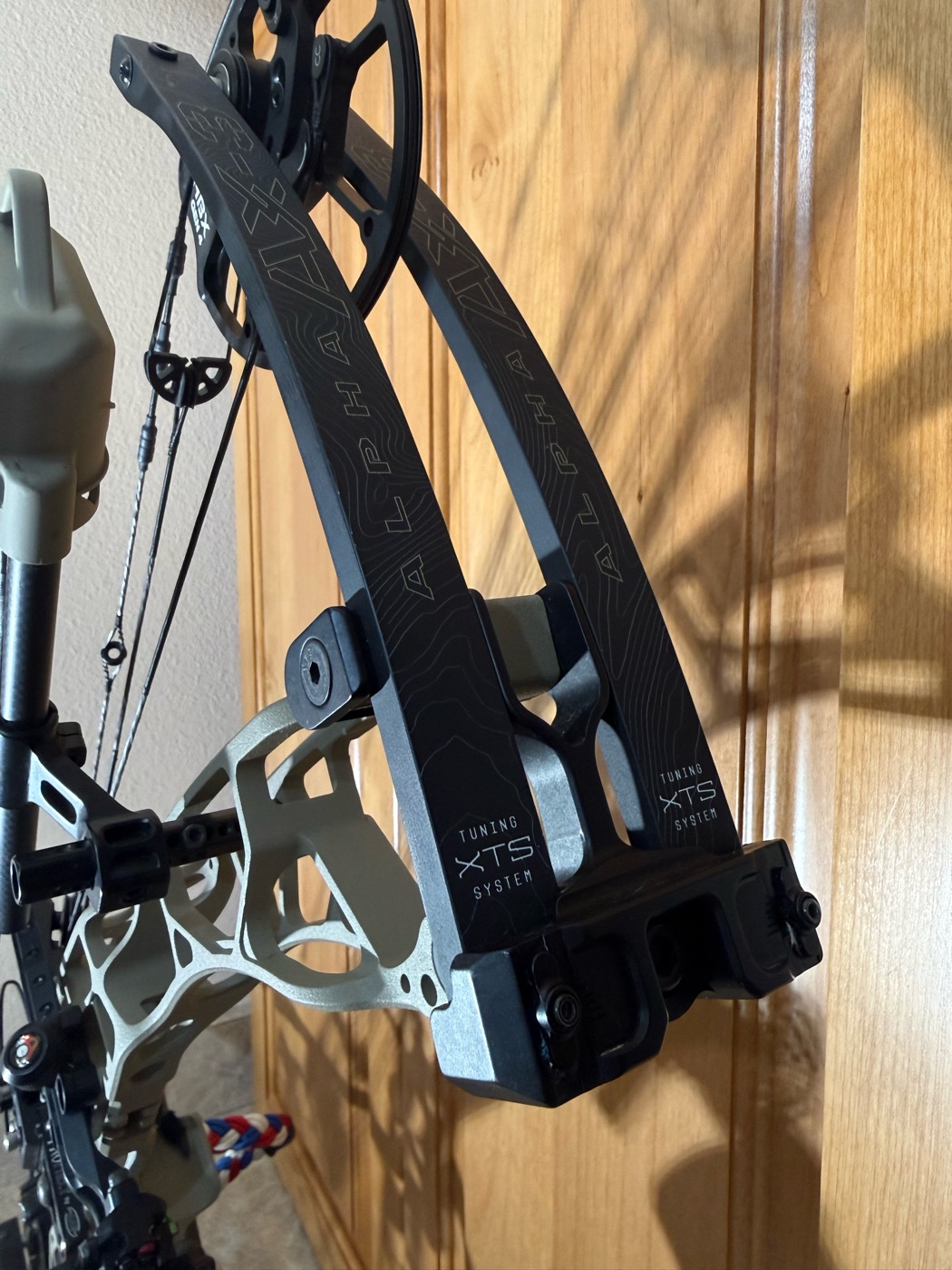 Tuning hardware built into the limbs — set it right once, and it stays right.
Skip the affiliate link. Go see Rob.
No affiliate links in this one. Instead, a recommendation that costs you nothing and earns us nothing:
If you’re anywhere near Montana and you want to get set up right, go see Rob Morgan at Superior Archery in Billings. Tell him Spiked Adrenaline sent you — he’ll have no idea what that means, and that’s the point. He’s not paying us and doesn’t know we exist. We just know how our own bow shoots, because he’s the one who dialed it: everything perfect, nothing to worry about since.
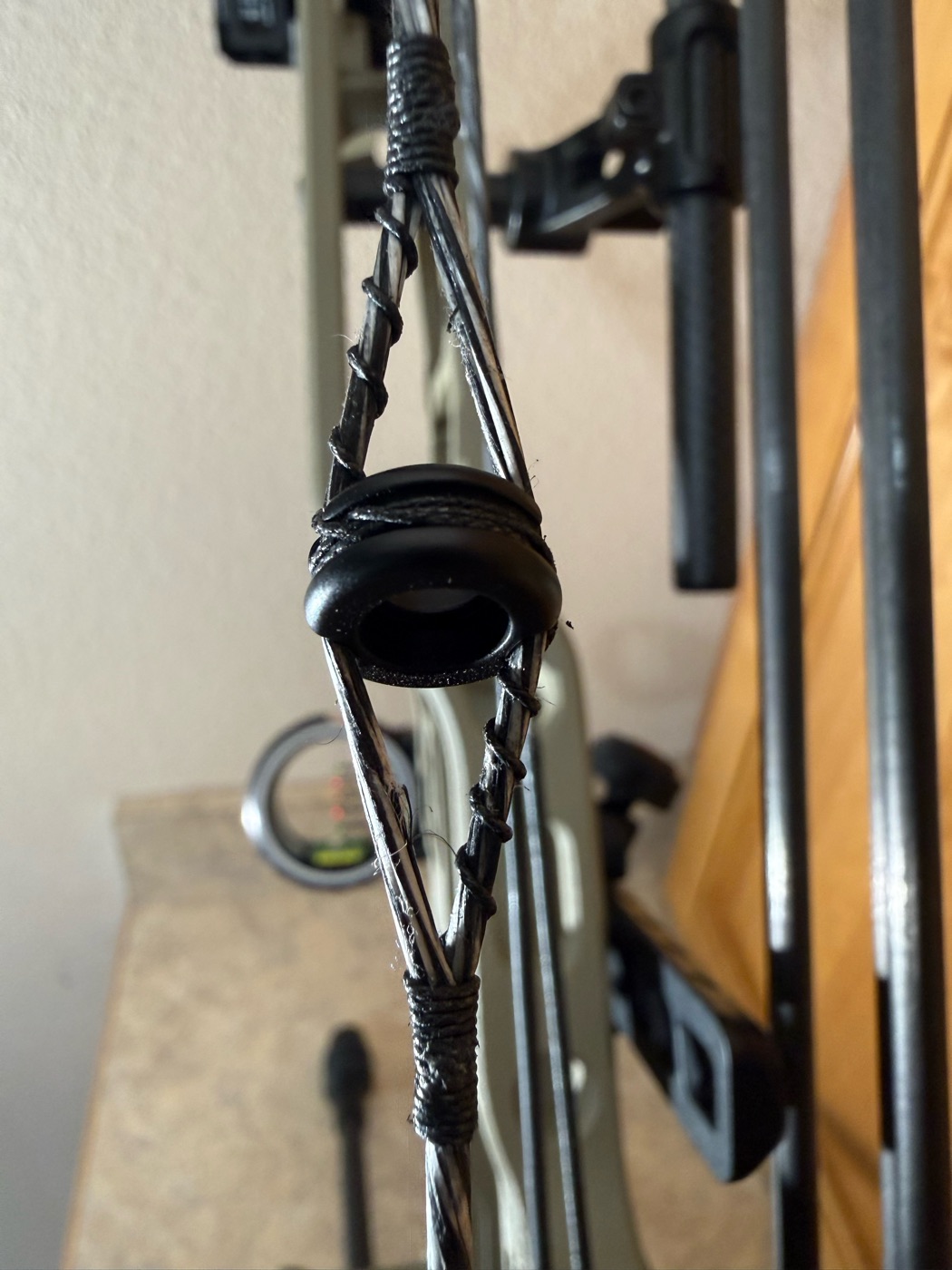 What a real shop tune looks like up close: clean servings, peep set to your eye, nothing left loose.
Rob’s a Hoyt believer through and through — he still shoots for them — but he’s honest first. Walk in wanting a Mathews and he’ll set you up with a Mathews and do it right. That combination — real conviction, zero pressure — is exactly what a beginner needs and almost never gets. A good shop and a good tech will save your first year of frustration better than any brand choice will.
Verdict
Buy your bow now, in the post-season window, and give yourself the year — a winter league, a few hundred arrows, and the patience to fix the shooter before blaming the bow. And when you choose the bow itself, buy for the mountain instead of the bale: durability and consistency first, counter-feel second. That’s why our answer is Hoyt — not the loudest brand, just the one that’s still shooting perfect after everything you did to it on the way in.
FAQ
When exactly should I buy? Now. Post-season is the sweet spot: last year’s models discounted, new releases about to land, and a full off-season ahead of you to get dialed. Buying in August for a September hunt is how you tag out on frustration.
Is Mathews a bad bow? No — it’s a very good bow and the best-selling one in the country. Our point is about the test, not the brand: two arrows at six yards measures comfort, and comfort isn’t the trait that survives a fall in a scree field. Choose on durability and long-term consistency, then let feel break the tie.
Do I really need two bows? If your bow can’t take a hit, effectively yes — a backup becomes part of the kit. Our preference is to buy one bow that doesn’t need a bodyguard.
What about speed? Speed sells, and some fast bows are genuinely great. But arrow speed never killed an elk that a broken cam sent home. Rugged and consistent beats fast and fragile every time it matters.
I’m brand new — first three moves? One: buy now, used or last-year’s sale, from a real shop with a real tech. Two: join a winter league and start working through George Ryals’ YouTube coaching — reps plus real instruction. Three: leave the speed-and-gadget rabbit hole alone for one full year. The bow isn’t your problem yet. You are.
Got a question we didn’t cover — or a bow you want put through a real test? Email questions@spikedadrenaline.com — we answer every one ourselves. Not an outsourced help desk, not a bot. That’s the whole point of this site.
Reader-funded
Keep the tests coming
No sponsors. No ads. No affiliate strings — yet. Every review here is bought with our own money and tested on our own miles. If one saved you from an expensive mistake — or talked you into the right one — the tip jar keeps the next field test funded.
Fuel the next field test ☕Newsletter
More verdicts like this
Join the list and get every new field test the day it publishes.